

WhatsApp:+86 15626945905
Introduction
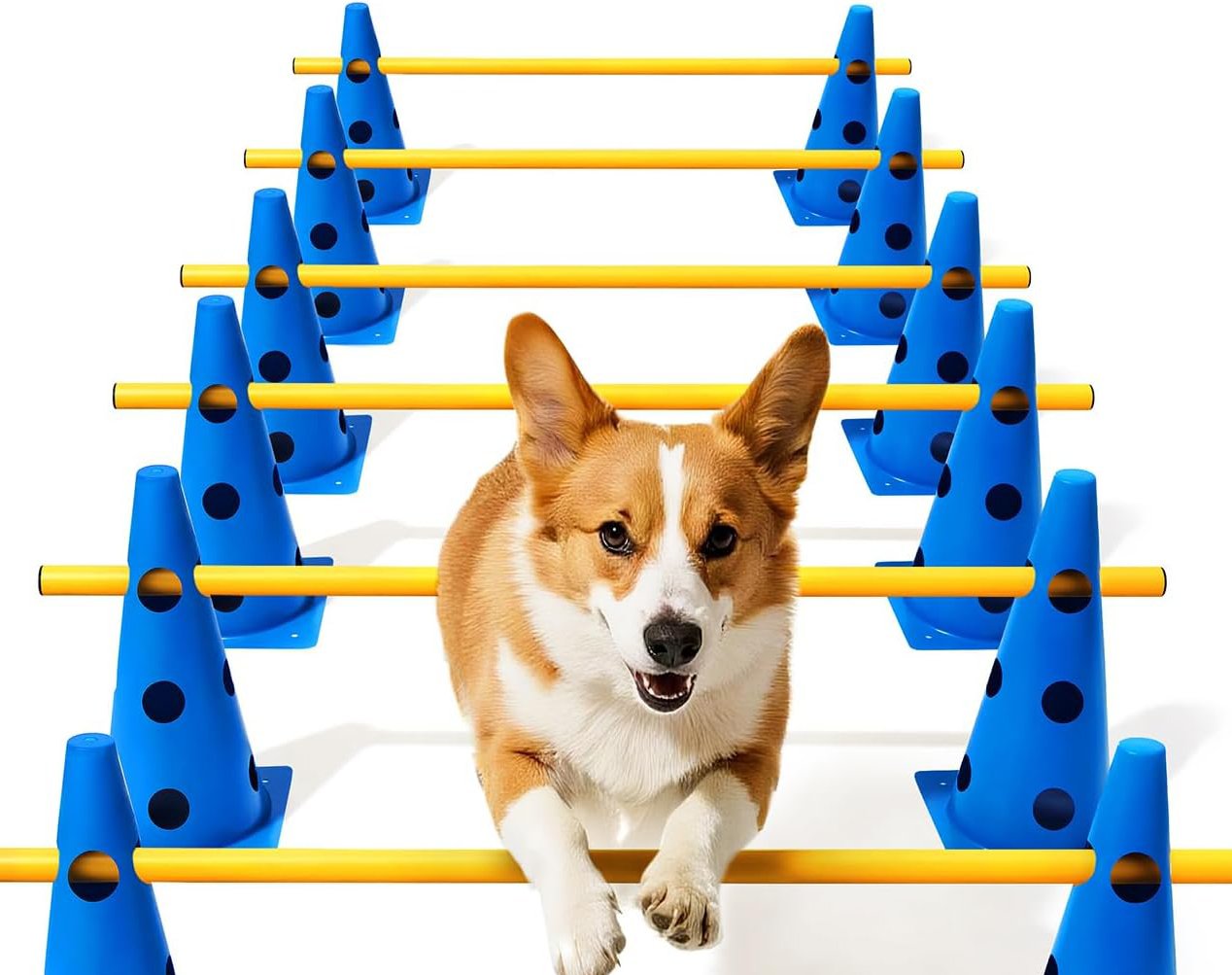
Agility training is one of the most rewarding activities you can share with your canine companion. It builds confidence, improves physical fitness, and strengthens the bond between dog and owner. As the demand for active pet lifestyles grows, more dog owners are looking for safe, effective ways to start agility training in their own backyards or local parks. Whether you are a pet parent looking to burn off your dog’s excess energy or a pet brand curating the best outdoor gear for your customers, understanding the fundamentals of agility training is the perfect first step.
Why Agility Training Matters for Active Dogs
Agility training is essentially an obstacle course for dogs, involving jumps, tunnels, weave poles, and walkways. Beyond the physical exercise, it provides intense mental stimulation. Dogs that participate in agility are often better behaved, as the sport requires them to focus on commands and work closely with their handlers. For high-energy breeds, this structured activity is essential for preventing destructive behaviors born out of boredom.
Essential Gear for Beginner Agility Training
To get started safely, having the right equipment is non-negotiable. Poor-quality gear can lead to injuries or discourage a dog from participating. Here is the essential gear every beginner needs:
1. A Secure, Freedom-of-Movement Dog Harness
Before tackling any obstacles, you need reliable control. A traditional collar can strain a dog’s neck during sudden movements. Instead, a durable, well-fitted dog harness provides the handler with secure control without restricting the dog’s natural shoulder movement. Look for harnesses with reinforced stitching and breathable materials that can withstand rigorous outdoor sessions.
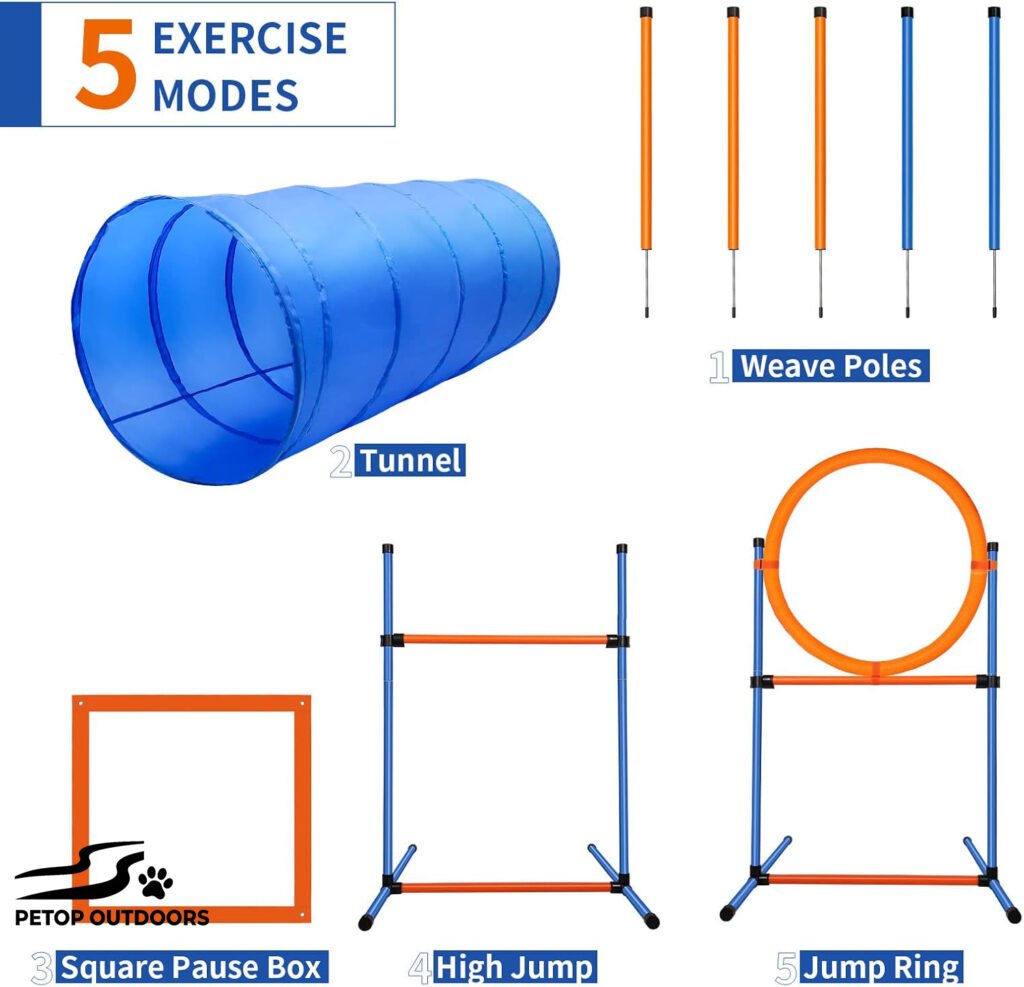
2. Core Agility Training Equipment
Beginners shouldn’t overwhelm their dogs with professional-grade, complex courses right away. Start with the basics:
Adjustable Jumps: Perfect for teaching basic clearance commands.
Collapsible Tunnels: Excellent for building a dog’s confidence in enclosed spaces.
Weave Poles: Great for improving flexibility and responsiveness.
Investing in weather-resistant, easy-to-assemble agility training products ensures the gear lasts through seasons of outdoor use.
3. Outdoor Dog Folding Beds for Recovery
Rest is just as important as the training itself. Agility is physically demanding, and dogs need a dedicated space to cool down between sets. An outdoor dog folding bed (elevated cot) keeps the dog off the hot or damp ground, promotes air circulation, and serves as an excellent “place” training tool while the handler resets the agility course.
Step-by-Step Guide to Starting Your First Session
Step 1: Master Basic Obedience
Your dog must reliably understand commands like “sit,” “stay,” “come,” and “leave it” before stepping onto an agility course. A strong foundation in obedience ensures they will listen to your directional cues rather than just running wild.
Step 2: Introduce Obstacles One at a Time
Never force a dog over a jump or into a tunnel. Introduce the equipment slowly, letting them sniff and inspect it. Use high-value treats to lure them through a tunnel or over a lowered jump, offering immense praise for every small success.
Step 3: Keep Sessions Short and Positive
For beginners, keep training sessions to just 10–15 minutes. Stop while the dog is still having fun, so they remain eager for the next session. Always end on a positive note with a successful obstacle completion.
Partner with Petop Outdoors: Your Integrated Production Partner
When sourcing premium outdoor pet gear for your retail brand or wholesale distribution network, quality and reliability are everything. Petop Outdoors is a premier integrated production manufacturer specializing in high-performance dog gear.
We do not just supply products; we engineer solutions. From heavy-duty tactical harnesses and rugged outdoor folding beds to professional-grade agility training equipment, our manufacturing process emphasizes strict quality control, scalable production, and global logistics expertise. We help brand procurement managers and business owners across USA, Europe, South America, Australia, the Middle East, and Southeast Asia build out profitable, high-demand product lines with absolute confidence.
Ready to elevate your brand’s catalog with premium outdoor dog gear? Contact our B2B project support team today to discuss bulk orders, OEM/ODM services, and secure manufacturing partnerships.
Frequently Asked Questions (FAQ)
Q1: What age can a dog start agility training?
A: While basic obedience and flatwork (training without jumps) can start as early as 8 weeks, dogs should not participate in jumping or high-impact agility until their growth plates have fully closed. This is typically between 12 to 18 months of age, depending on the breed.
Q2: What is the most important piece of equipment for a beginner?
A: A high-quality, non-restrictive dog harness is the most critical first investment. It ensures safe handling and control before any obstacles are introduced.
Q3: How long should agility training sessions last?
A: For beginners, 10 to 15 minutes is ideal. It prevents physical exhaustion and keeps the dog mentally engaged without losing focus.
Q4: Can any dog breed participate in agility?
A: Yes! While herding breeds like Border Collies often dominate competitions, any healthy dog can enjoy agility at a recreational level. Equipment can be adjusted for size, from Chihuahuas to Great Danes.
Q5: How can pet brands ensure they are sourcing high-quality agility gear?
A: Brand owners should partner with a reliable supply chain manufacturer that offers transparent quality control, uses durable, weather-resistant materials, and has a proven track record of international export.