
WhatsApp:+86 15626945905
Which Material Is Better for Premium Dog Harnesses and Outdoor Pet Gear?
As outdoor adventures with dogs become increasingly popular, pet brands are placing greater emphasis on durability, waterproof performance, and sustainability when developing new products. Whether it’s a waterproof dog harness, leash, collar, or travel accessory, selecting the right material is critical to product quality and customer satisfaction.
Two of the most commonly used materials for waterproof pet accessories are PVC (Polyvinyl Chloride) and TPU (Thermoplastic Polyurethane). While they may appear similar, they differ significantly in flexibility, durability, environmental impact, and long-term performance.
In this guide, we’ll compare PVC and TPU from a manufacturer’s perspective and explain why choosing the right material can help your brand build premium outdoor pet products.
What Is PVC?
PVC is a widely used synthetic plastic known for its excellent water resistance and affordability. It is commonly applied as a coating on webbing or fabric to create waterproof pet products.
Advantages of PVC
- Cost-effective for large-volume production
- Excellent waterproof performance
- Available in a wide range of colors and finishes
- Easy to clean and maintain
- Suitable for everyday pet accessories
Limitations of PVC
PVC has some drawbacks, particularly for premium outdoor applications:
- Less flexible in cold weather
- Can become brittle over time
- Lower abrasion resistance than TPU
- Heavier material weight
- Less environmentally friendly due to its chlorine-based composition
For entry-level products, PVC remains a practical choice, but brands targeting the premium market often seek higher-performance alternatives.
What Is TPU?
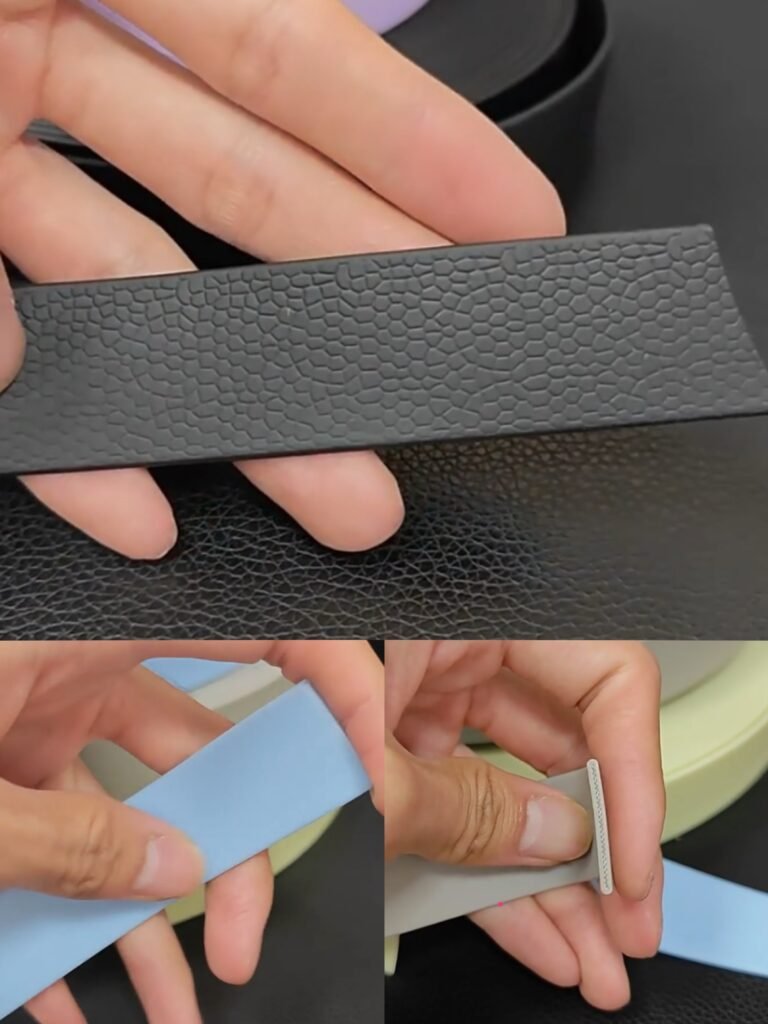
TPU is an advanced thermoplastic elastomer widely used in outdoor sports, medical equipment, and premium consumer products. It offers an excellent combination of flexibility, strength, and weather resistance.
Advantages of TPU
- Outstanding flexibility
- Excellent abrasion resistance
- Superior low-temperature performance
- Lightweight construction
- Soft and comfortable touch
- Highly durable under repeated bending
- Better environmental profile than traditional PVC
Because of these properties, TPU has become increasingly popular for premium dog harnesses, waterproof collars, leashes, and outdoor adventure gear.
PVC vs. TPU: Key Differences
| Feature | PVC | TPU |
| Waterproof Performance | Excellent | Excellent |
| Flexibility | Moderate | Excellent |
| Abrasion Resistance | Good | Outstanding |
| Cold Weather Performance | Fair | Excellent |
| Weight | Heavier | Lighter |
| Durability | Good | Superior |
| Environmental Friendliness | Lower | Higher |
| Cost | Lower | Higher |
For brands positioning themselves in the premium outdoor pet market, TPU generally offers greater long-term value despite its higher material cost.
Which Material Is Better for Waterproof Dog Harnesses?
The answer depends on your brand positioning and target customers.
PVC may be suitable if your priority is:
Entry-level product lines
Cost-sensitive retail markets
High-volume promotional products
TPU is often the better choice if you are developing:
Premium outdoor dog harnesses
Adventure and hiking gear
Working dog equipment
Waterproof travel accessories
Long-lasting products with a premium feel
Many successful pet brands choose TPU because consumers increasingly value durability, comfort, and sustainability over the lowest purchase price.
How Petop Outdoors Helps Brands Choose the Right Material
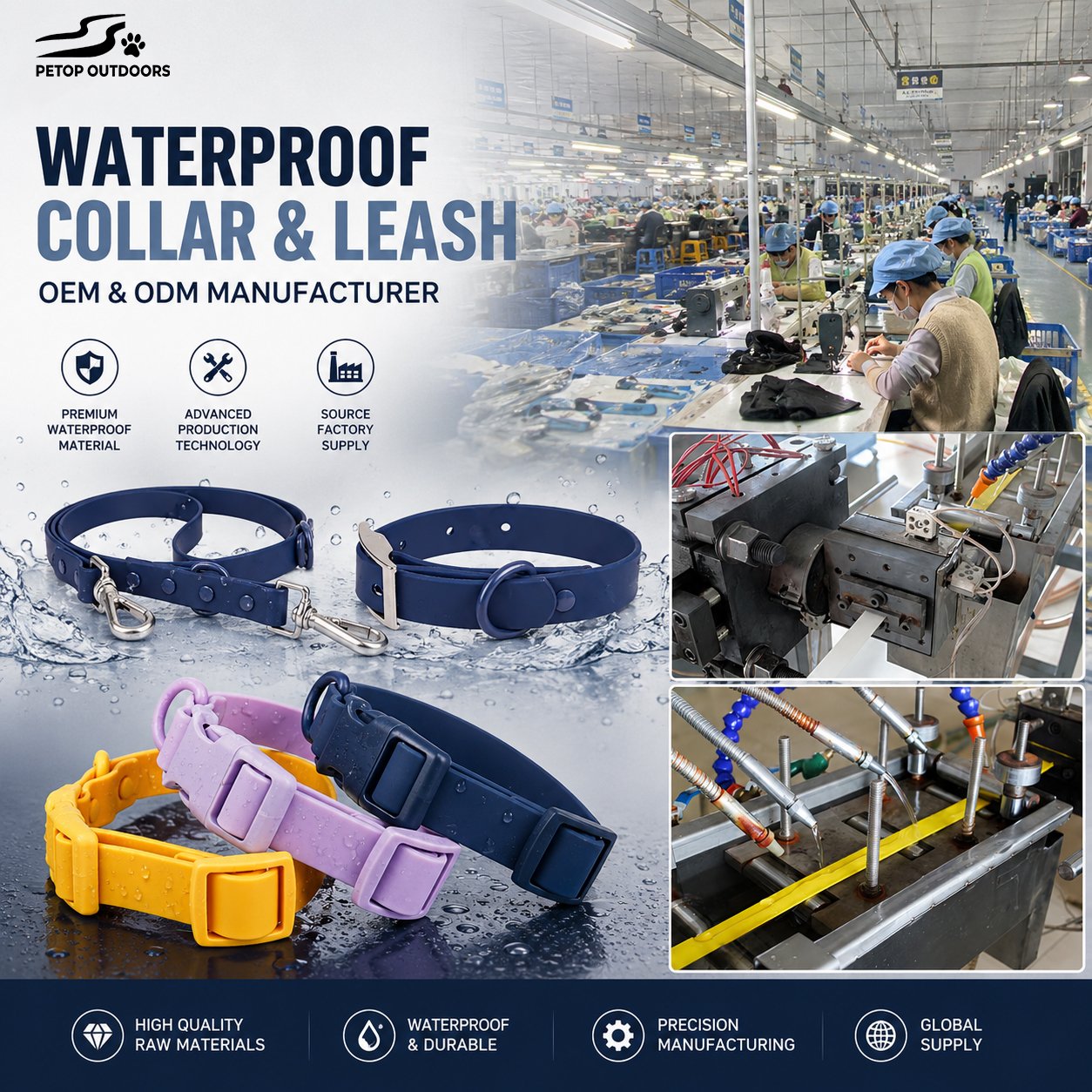
At Petop Outdoors, we understand that every brand has different goals. That’s why we work closely with customers during the product development process to recommend materials based on performance, target market, and budget.
Our OEM and ODM customization services include:
- Waterproof dog harnesses
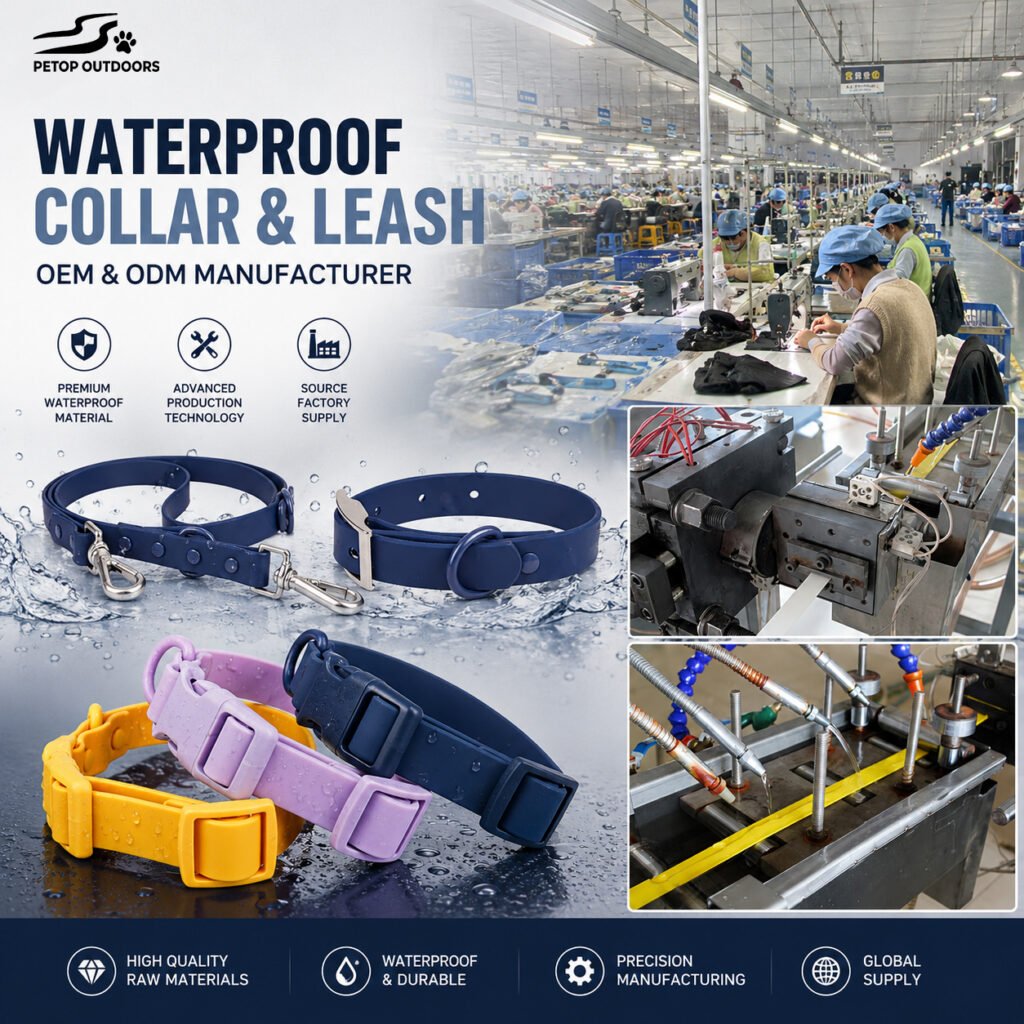
- Waterproof collars and leashes
- Outdoor adventure dog gear
- Foldable elevated dog beds
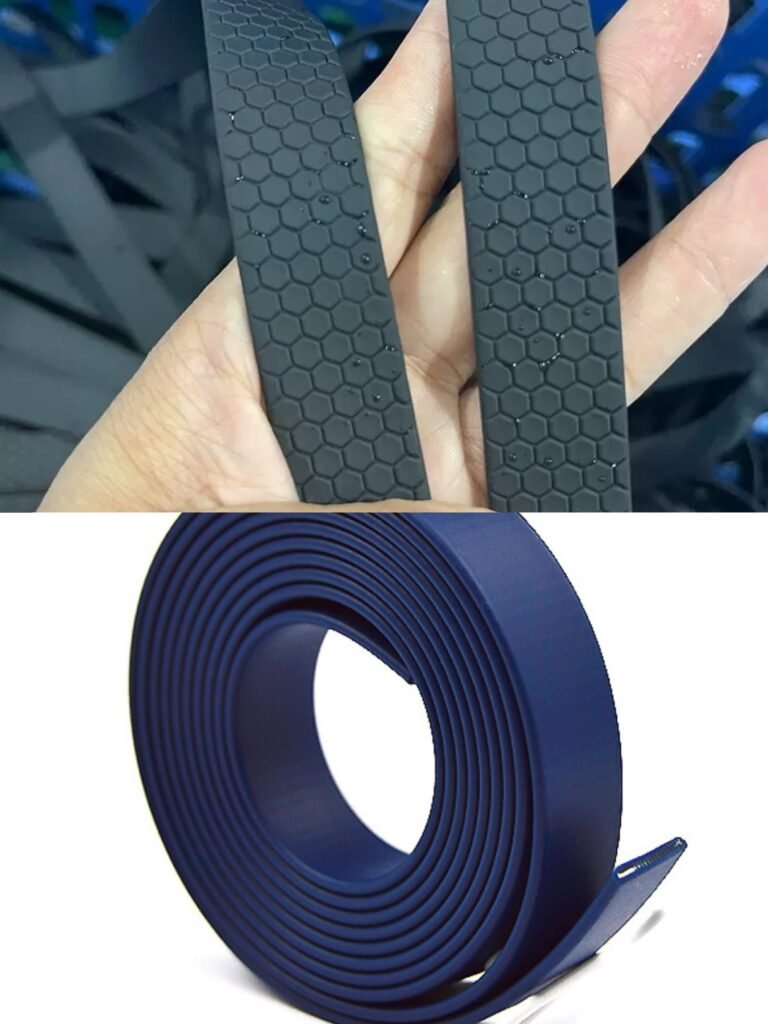
- Custom webbing colors and textures
- TPU-coated and PVC-coated webbing options
- Private label branding and packaging
With years of manufacturing experience, we help pet brands balance product performance, cost efficiency, and long-term durability—ensuring every custom product meets market expectations.
Conclusion
PVC and TPU are both excellent waterproof materials, but they serve different product positioning strategies. PVC remains a reliable choice for value-oriented products, while TPU delivers superior flexibility, durability, and a premium user experience for outdoor and high-performance pet gear.
If you’re planning to develop a custom waterproof dog harness or expand your outdoor product line, selecting the right material is one of the most important decisions you’ll make. Partnering with an experienced manufacturer like Petop Outdoors ensures you receive expert guidance, reliable production, and products designed to strengthen your brand in a competitive market.
Frequently Asked Questions (FAQ)
1. Is TPU better than PVC for dog harnesses?
For premium outdoor dog harnesses, TPU is generally the better option because it offers greater flexibility, abrasion resistance, and durability while maintaining excellent waterproof performance.
2. Are both PVC and TPU waterproof?
Yes. Both materials provide excellent waterproof protection, making them suitable for dog collars, leashes, harnesses, and other outdoor pet accessories.
3. Why do premium pet brands choose TPU?
TPU provides a better weather resistance, longer service life, and a more premium appearance, making it a preferred material for high-end outdoor pet products.
4. Can TPU webbing be customized?
Absolutely. TPU-coated webbing can be customized in different colors, widths, embossed textures, and logo applications to match your brand identity.
5. Which material is more environmentally friendly?
Compared with traditional PVC, TPU is generally considered a more environmentally friendly option because it contains no chlorine and is easier to recycle in many manufacturing processes.
6. Can Petop Outdoors manufacture custom waterproof dog accessories using both materials?
Yes. Petop Outdoors provides OEM and ODM manufacturing for waterproof dog harnesses, collars, leashes, and other outdoor pet products using both PVC- and TPU-based materials. Our engineering team can recommend the most suitable solution based on your product positioning, budget, and performance requirements.