

WhatsApp:+86 15626945905
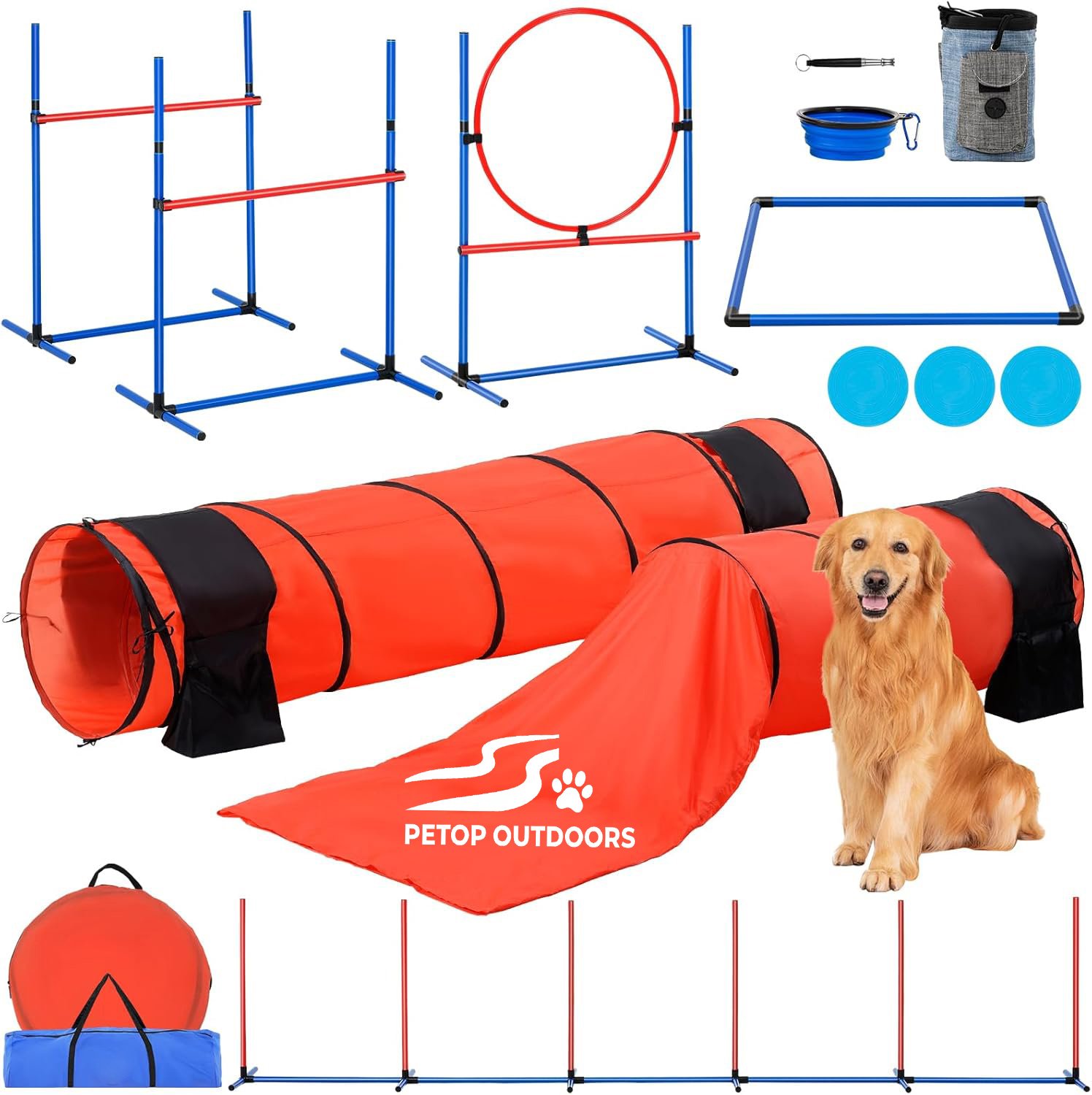
Owning a high-energy breed like a Border Collie, Belgian Malinois, or Australian Shepherd is a rewarding challenge. These dogs were bred to work, run, and solve problems. When left without a job, they don’t just get bored —they get destructive.
While a long walk is necessary, it is often insufficient for these “canine athletes.” Enter outdoor agility training.
Agility is not just a sport; it is a holistic wellness regimen. By navigating weave poles, tunnels, and jumps, dogs engage in a complex interplay of physical exertion and mental gymnastics. Drawing on veterinary behaviorism and canine physiology, here are seven science-backed benefits of outdoor agility training, and why investing in professional-grade equipment matters.
1. Enhances Proprioception and Body Awareness
Science tells us that dogs, like humans, rely on proprioception—the body’s ability to sense its location, movements, and actions. High-energy breeds often move faster than their brains can process, leading to clumsiness or injury.
Navigating an agility course requires precise paw placement. When a dog traverses a dog walk ramp or balances on a seesaw, they are actively strengthening their core muscles and fine-tuning their neural pathways. This creates a dog that is physically robust, better coordinated, and less prone to orthopedic injuries in everyday life.
2. Neuroplasticity: The “Brain Game” Factor
Physical exercise tires a dog’s body, but mental exercise tires a dog’s brain. For high-IQ breeds, mental fatigue is the key to a calm demeanor.
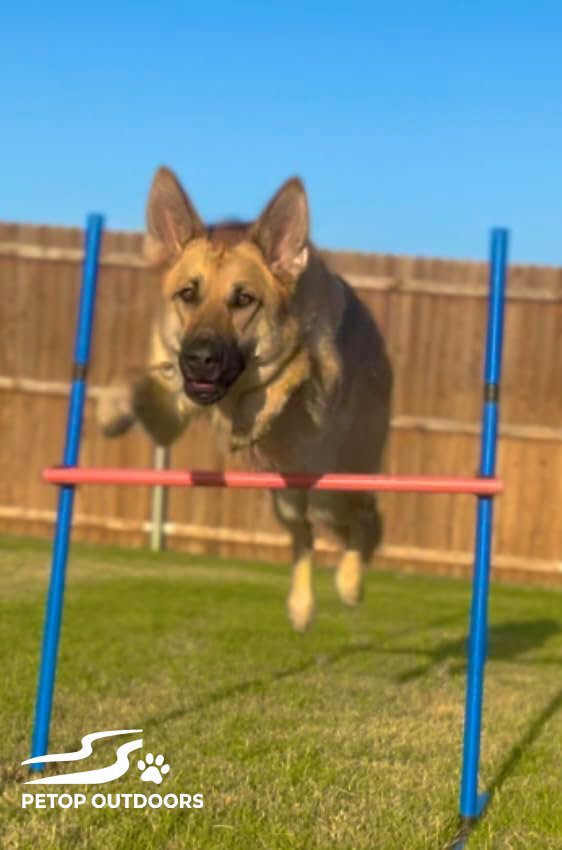
Agility training induces neuroplasticity—the brain’s ability to form new connections. Learning to interpret handler cues while simultaneously negotiating a tire jump or a tunnel creates a high cognitive load. A 15-minute agility session can be mentally equivalent to a 1-hour run, satisfying the dog’s need for intellectual stimulation.
3. Fulfills the Natural “Prey Drive” Safely
Many high-energy dogs have high prey drives. In the wild, this energy is used for hunting. In a backyard, it’s used for chasing cars or digging holes.
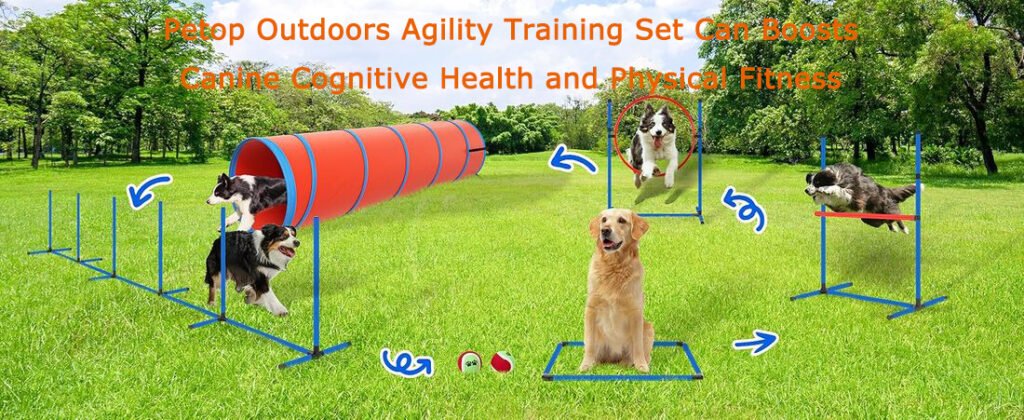
Agility courses mimic the patterns of a hunt:
- Chasing: Running fast between obstacles.
- Tunneling: Simulating going into a burrow.
- Jumping: Overcoming barriers to reach a goal.
By channeling these instincts into a structured sport using safe, durable outdoor agility equipment, owners can satisfy their dog’s biological urges without the behavioral fallout.
4. Boosts Confidence Through “Dopamine Spikes”
Anxious or reactive dogs often lack confidence. In behavioral science, overcoming a fear-inducing object triggers a release of dopamine (the reward chemical) once the task is successfully completed.
When a dog conquers a scary obstacle, like a collapsing tunnel or a high A-frame, they experience a surge of achievement. Over time, this conditions the dog to approach new, scary situations in the real world with curiosity rather than fear.
5. Strengthens the Human-Canine Bond (Oxytocin Release)
Agility is a team sport. The dog cannot complete the course without the handler, and the handler cannot succeed without the dog.
Research shows that positive, collaborative interaction between dogs and humans increases oxytocin levels in both species. This “love hormone” deepens the bond, improves recall reliability, and creates a dog that is more attuned to its owner’s body language and verbal commands.
6. Improves Impulse Control
High-energy breeds are often impulsive. Agility training is actually a masterclass in impulse control.
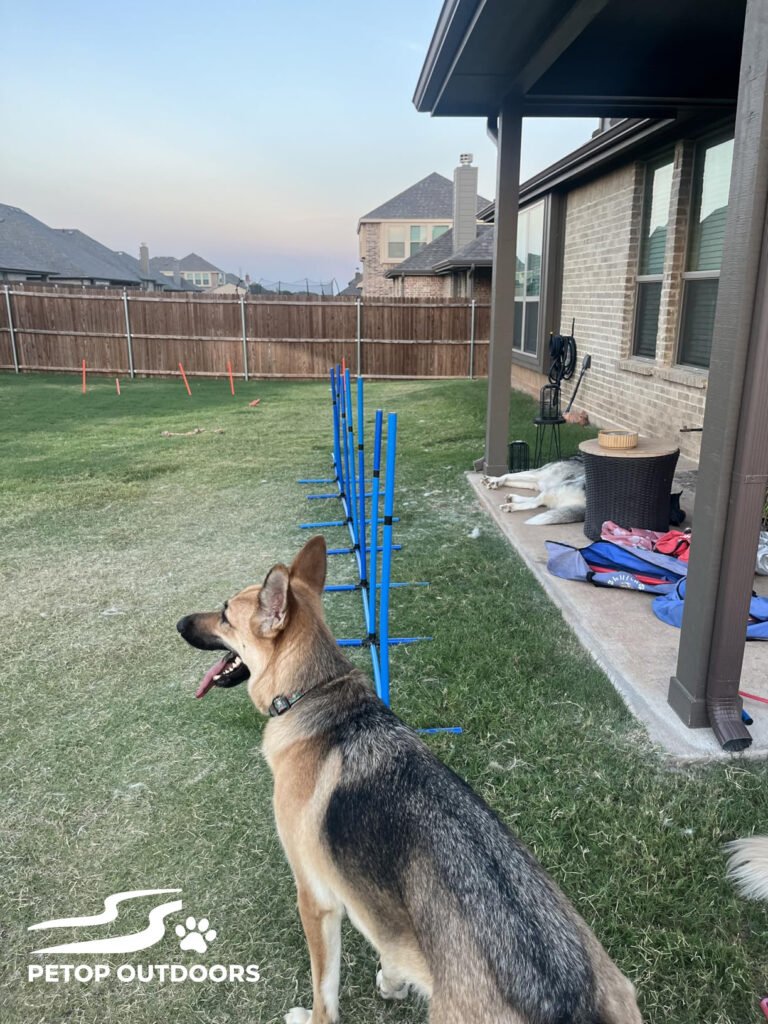
A dog must wait on a “pause table” or hold a “stay” at the start line while adrenaline is pumping. They must ignore the urge to chase a squirrel and focus on the weave poles instead. This practice strengthens the prefrontal cortex functions related to self-regulation, leading to a better-behaved pet at home.
7. The “Outdoor Factor”: Sensory Enrichment
Taking agility training outdoors adds a layer of sensory enrichment that indoor facilities cannot match.
- Visual & Olfactory Stimulation: The wind, grass, and varying terrains provide “sniffing breaks” that lower heart rate and stress.
- Vitamin D: Natural sunlight is beneficial for a dog’s skin and coat health.
However, outdoor training requires equipment that can withstand the elements—UV rays, rain, and mud. This is where the quality of the gear becomes non-negotiable.
Why Quality Equipment is the Foundation of Safety
To achieve these benefits, the equipment used must be safe, stable, and standardized. A flimsy tunnel or a slippery ramp can cause injury and permanently shatter a dog’s confidence.
As the market for pet training gear explodes, retailers and training centers must source equipment that balances professional performance with outdoor durability.
Partner with the Source: Premium Agility Equipment Manufacturing
Are you a pet brand, training center, or outdoor equipment retailer looking to capitalize on the booming dog sports market?
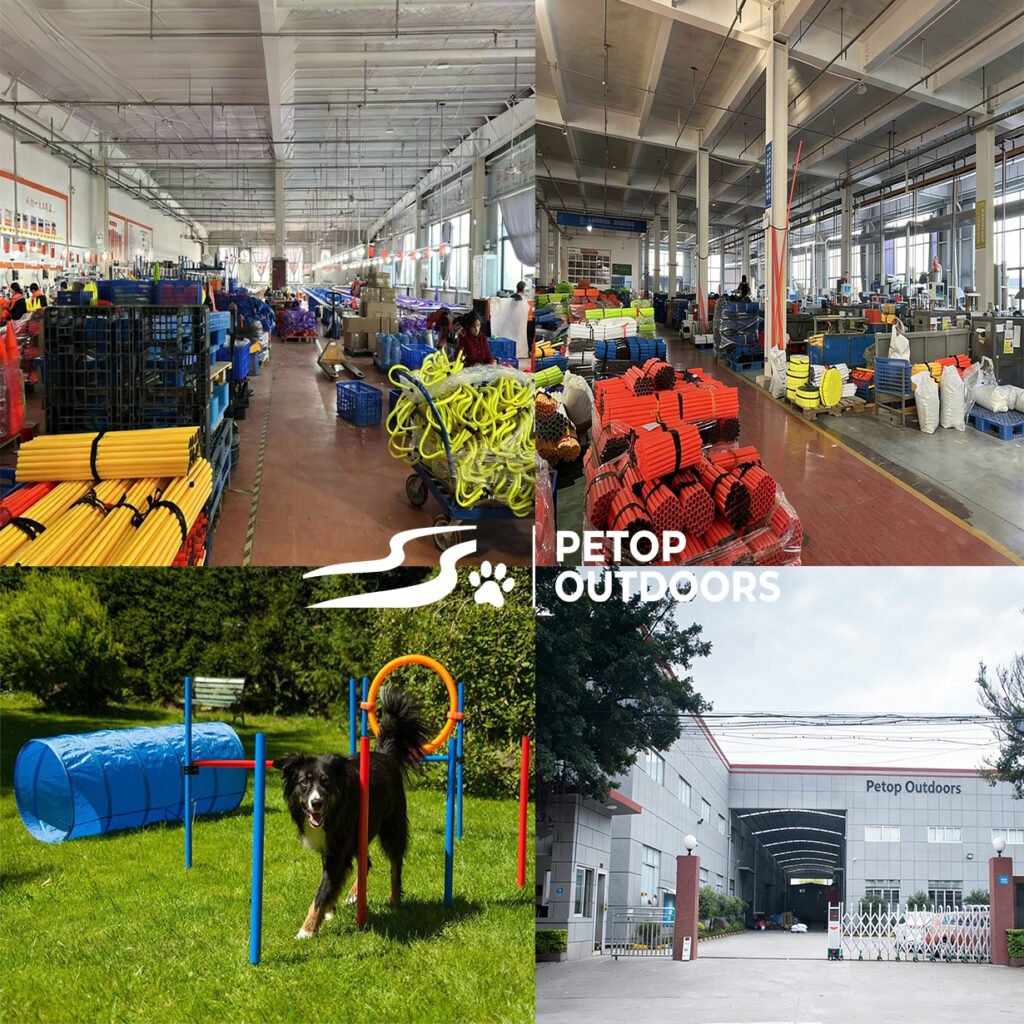
We are the Dog Agility Equipment Source Factory.
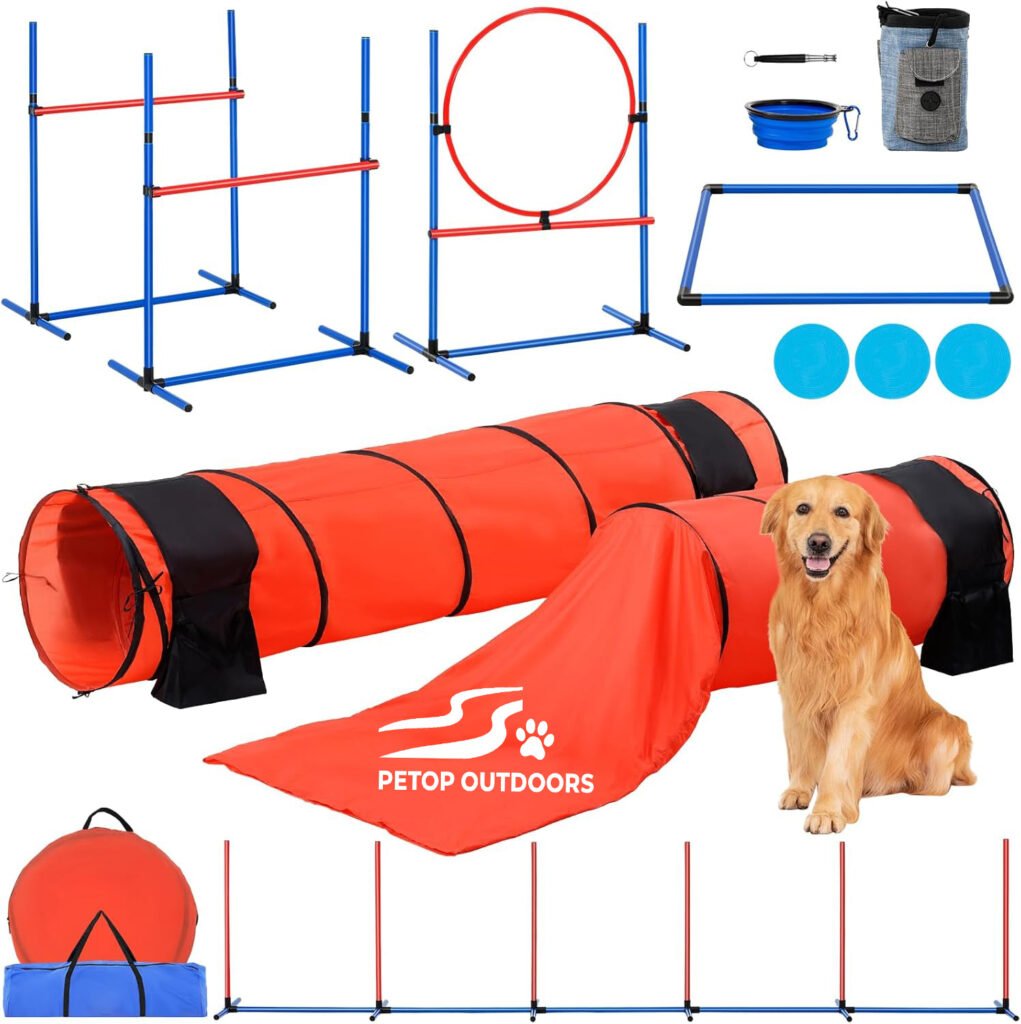
Stop paying the middleman markup. We specialize in manufacturing high-performance, outdoor-grade dog agility equipment designed for safety and durability.
- OEM/ODM Solutions: We can brand equipment with your logo or customize designs to your specifications.
- Built to Last: Our products use UV-resistant materials, anti-rust coatings, and non-slip surfaces ideal for all weather conditions.
- Scalable Production: Whether you need a small batch for a boutique store or container loads for distribution, we have the capacity to deliver.
Ready to elevate your product line?
Contact our engineering team today for a catalog and a factory-direct quote. Let’s build the best training experience for dogs around the world, together.
Frequently Asked Questions (FAQ)
1. At what age can dogs start agility training?
Puppies can start “flatwork” (ground-level training) as early as 4 months to build focus. However, high-impact obstacles like jumps and weave poles should be avoided until the dog’s growth plates have closed, usually around 12–18 months, to prevent long-term joint damage.
2. Do I need professional equipment, or can I build my own?
While DIY is possible, it poses safety risks. Professional agility equipment is engineered for specific weight loads, stability, and traction. For businesses and serious trainers, factory-standard equipment ensures safety compliance and longevity against outdoor elements.
3. Is agility training suitable for all dog breeds?
While high-energy breeds (Border Collies, Aussies) excel, almost any breed can participate! The key is adjusting the equipment height and intensity. Our factory produces adjustable equipment suitable for everything from Chihuahuas to Great Danes.
4. How much space is needed for an outdoor agility course?
A full competition course requires substantial space (approx. 100×100 ft), but a backyard training kit can fit effectively in a standard 30×40 ft garden. We offer modular sets that allow retailers to sell “starter kits” for smaller spaces.
5. How does weather affect outdoor agility equipment?
Cheap equipment will rot, rust, or become brittle in the sun. It is vital to look for equipment made with UV-stabilized plastics and galvanized or powder-coated metals. Our factory guarantees weather-resistant materials designed specifically for long-term outdoor use.