

WhatsApp:+86 15626945905
Introduction
Dog agility is one of the most rewarding activities you can share with your dog. It builds confidence, improves fitness, and strengthens communication—without requiring professional training fields or expensive setups.
The good news?
You don’t need a full competition course to get started.
In this beginner’s checklist, we’ll break down the essential dog agility equipment you need to start at home, what to prioritize, and how to choose safe, beginner-friendly gear.
Can You Start Dog Agility Training at Home?
Yes—many professional trainers recommend starting agility training at home before advancing to clubs or competitions.
Home agility training is ideal for:
- Puppies and beginners
- High-energy dogs needing mental stimulation
- Owners building basic handling skills
With the right equipment and safe setup, at-home agility training can be both effective and low-risk.
Beginner’s Dog Agility Equipment Checklist
Below is a practical, step-by-step checklist designed for beginners.
1. Adjustable Dog Harness (Essential for Safety)
A well-fitted dog harness is one of the most overlooked—but most important—pieces of agility equipment.
Why it matters:
- Reduces pressure on the neck
- Improves control during training
- Prevents injuries during sudden turns
Look for:
- Padded chest support
- Adjustable straps
- Durable buckles for outdoor use
A proper agility-friendly harness keeps your dog comfortable and focused throughout training.
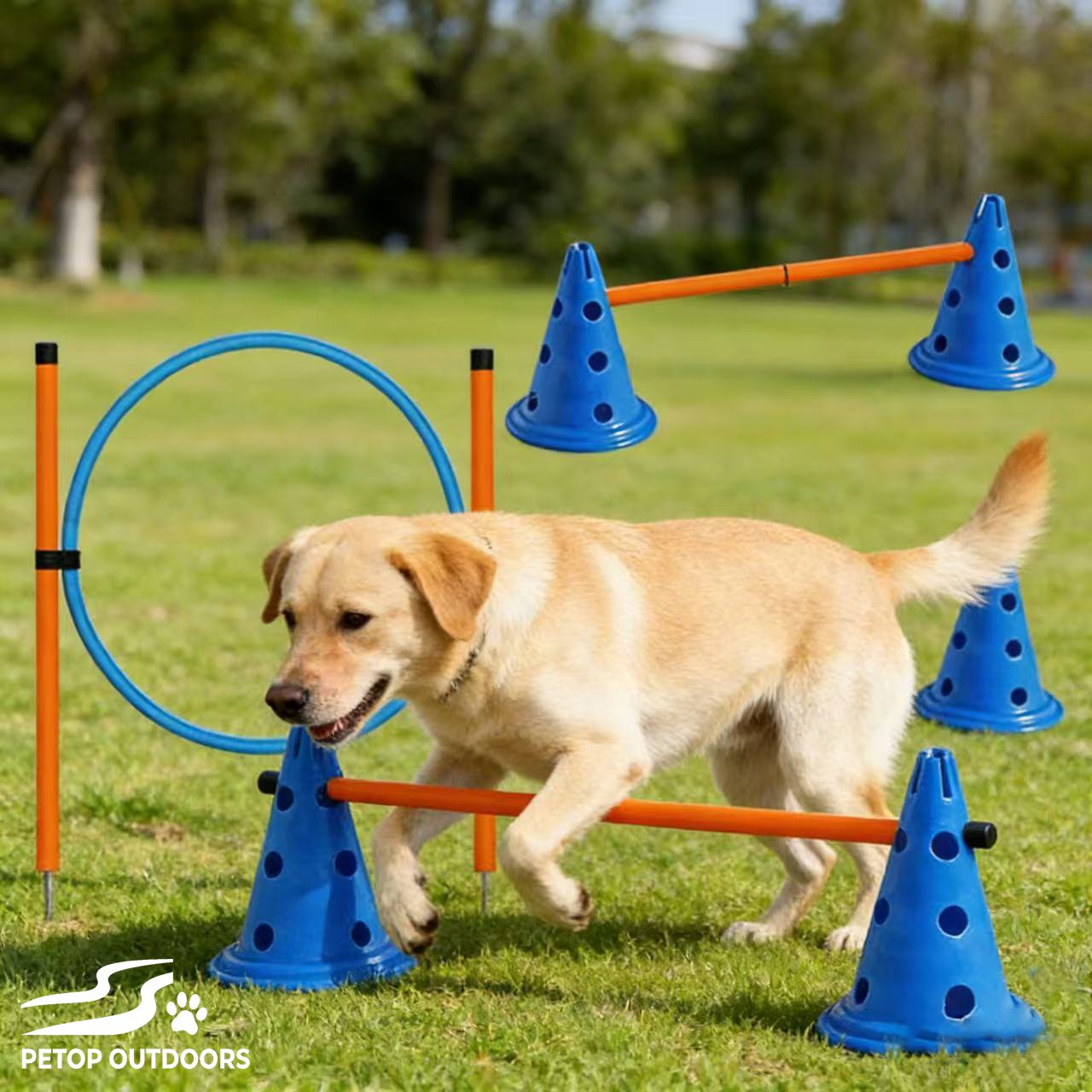
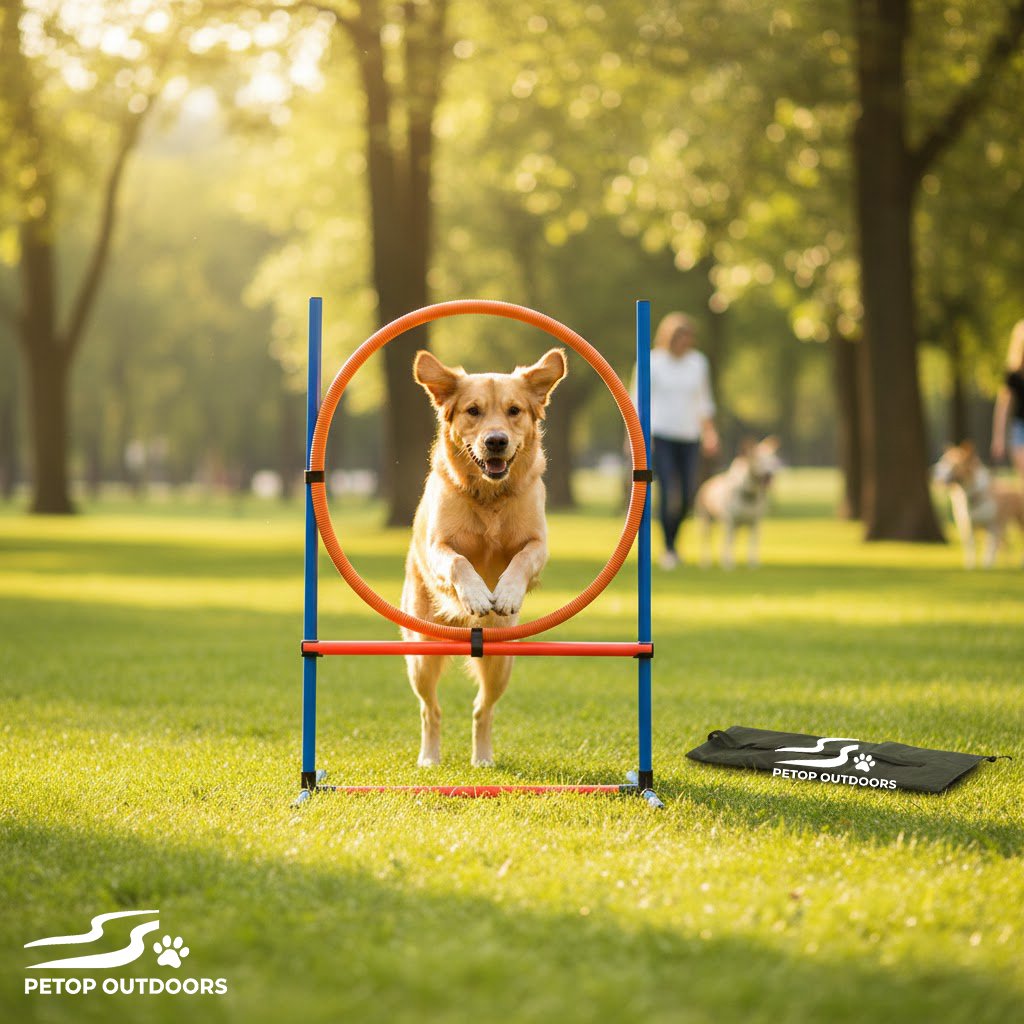
2. Agility Jumps (Low Height for Beginners)
Agility jumps help introduce dogs to obstacle navigation and handler cues.
Beginner tips:
- Start with low, adjustable heights
- Use lightweight but stable materials
- Avoid rigid or sharp-edged bars
Simple jump sets are perfect for building coordination and confidence before increasing difficulty.
3. Agility Tunnel (Soft & Collapsible)
Tunnels are one of the most engaging agility obstacles for dogs of all breeds.
What to look for:
- Soft, flexible structure
- Non-slip entrance
- Collapsible design for easy storage
Tunnels help dogs overcome hesitation while improving speed and focus.
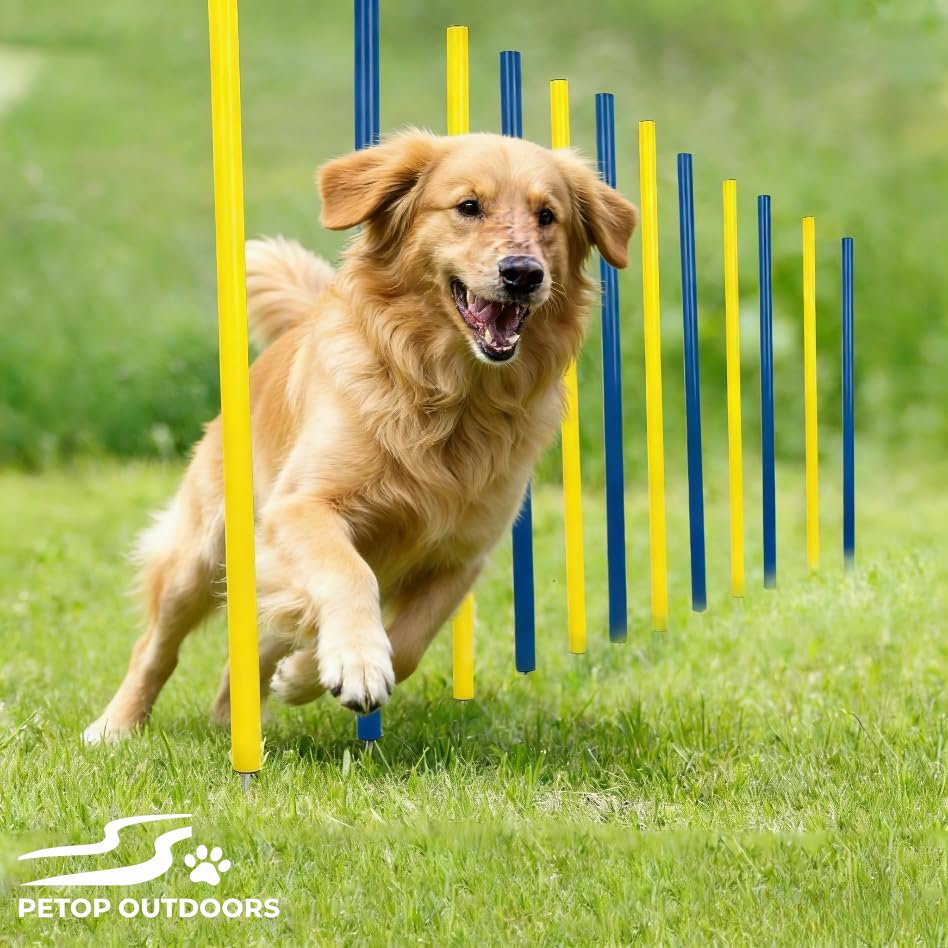
4. Weave Poles (Modular or Portable)
Weave poles train body awareness and precision.
For beginners:
- Choose wider spacing
- Use flexible or ground-mounted poles
- Focus on slow, guided movement
Modular weave pole sets allow gradual progression without overwhelming your dog.
5. Pause Table or Stable Platform
A pause table teaches dogs impulse control—an essential agility skill.
Training benefits:
- Encourages calm behavior
- Improves command obedience
- Adds structure to training routines
Even a low, non-slip platform can serve as a beginner pause table.
6. Outdoor Dog Bed for Recovery & Rest
Agility training is physically demanding, even at beginner levels.
An elevated or padded outdoor dog bed helps:
- Support muscle recovery
- Keep dogs off cold or wet ground
- Create a “rest zone” during sessions
Recovery is a key part of responsible agility training.
Optional but Helpful Agility Training Accessories
Once your dog is comfortable with the basics, consider adding:
- Training cones for direction drills
- Target mats for focus training
- Treat pouches for positive reinforcement
- Portable storage bags for outdoor setups
These accessories improve training efficiency without adding complexity.
How to Set Up a Safe Home Agility Training Area
Safety should always come first.
Best practices:
- Use grass, rubber mats, or soft ground
- Avoid slippery concrete or uneven surfaces
- Keep obstacle spacing generous
- Limit sessions to 10–15 minutes for beginners
Short, positive sessions reduce injury risk and maintain enthusiasm.
Common Beginner Mistakes to Avoid
Many first-time trainers make the same mistakes:
- Starting with obstacles that are too difficult
- Skipping warm-up and cool-down
- Overtraining high-energy dogs
- Using poorly designed or unstable equipment
Quality equipment and gradual progression matter more than quantity.
Should You Buy a Complete Dog Agility Training Set?
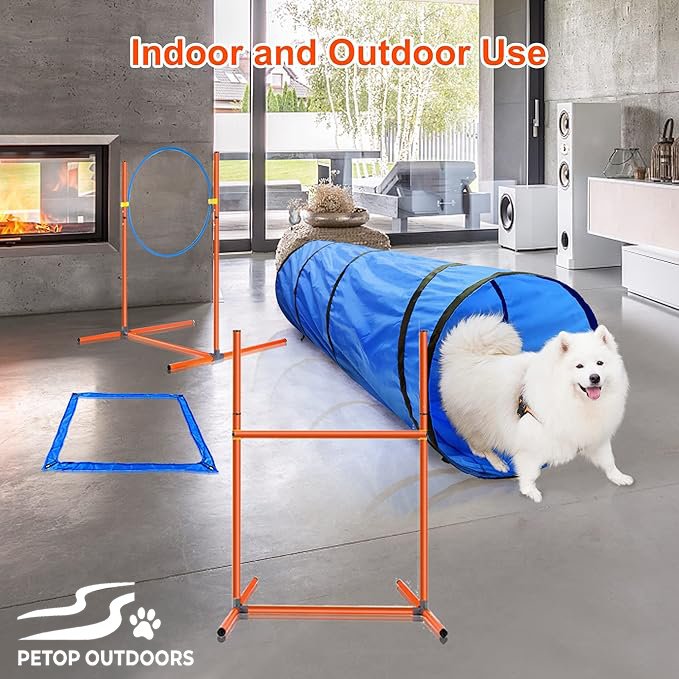
For beginners, a modular agility training set is often the best choice.
Benefits include:
- Matched equipment sizes
- Consistent material quality
- Easier storage and transport
- Better long-term scalability
Well-designed training sets allow dogs to grow confidently from beginner to intermediate levels.
Conclusion
Starting dog agility training at home doesn’t require complex setups—just the right essentials, a safe environment, and patience.
With beginner-friendly agility equipment and structured practice, dogs of all breeds can enjoy the physical and mental benefits of agility training while building trust and confidence with their owners.
Looking for OEM or wholesale dog agility equipment?
As a source manufacturer of dog harnesses, outdoor dog beds, and agility training sets, we support customization, low MOQ, and export-ready production for global partners.
Contact us to request samples or pricing.

FAQ
Q1: What is the minimum equipment needed to start dog agility?
A harness, low jumps, and one engaging obstacle such as a tunnel or weave poles are enough to begin.
Q2: Is dog agility safe for puppies?
Yes, when using low-impact, age-appropriate equipment and avoiding jumps with height.
Q3: How often should beginners train agility at home?
2–3 short sessions per week are ideal for beginners.
Q4: Can small dogs do agility training at home?
Absolutely—agility training can be adapted for dogs of all sizes.