

WhatsApp:+86 15626945905
Introduction
High-energy dog breeds such as Border Collies, Belgian Malinois, Australian Shepherds, Huskies, and Labradors were genetically designed for work, movement, and problem-solving.
Without proper physical and mental outlets, these dogs are more likely to develop destructive behaviors, anxiety, obesity, and poor impulse control.
Outdoor agility training is not just a trend—it is a science-supported training method used by veterinarians, canine behaviorists, and professional trainers worldwide.
In this article, we explore 7 science-backed benefits of outdoor agility training, and explain why structured agility programs are one of the most effective solutions for managing high-energy breeds.
What Is Outdoor Agility Training?
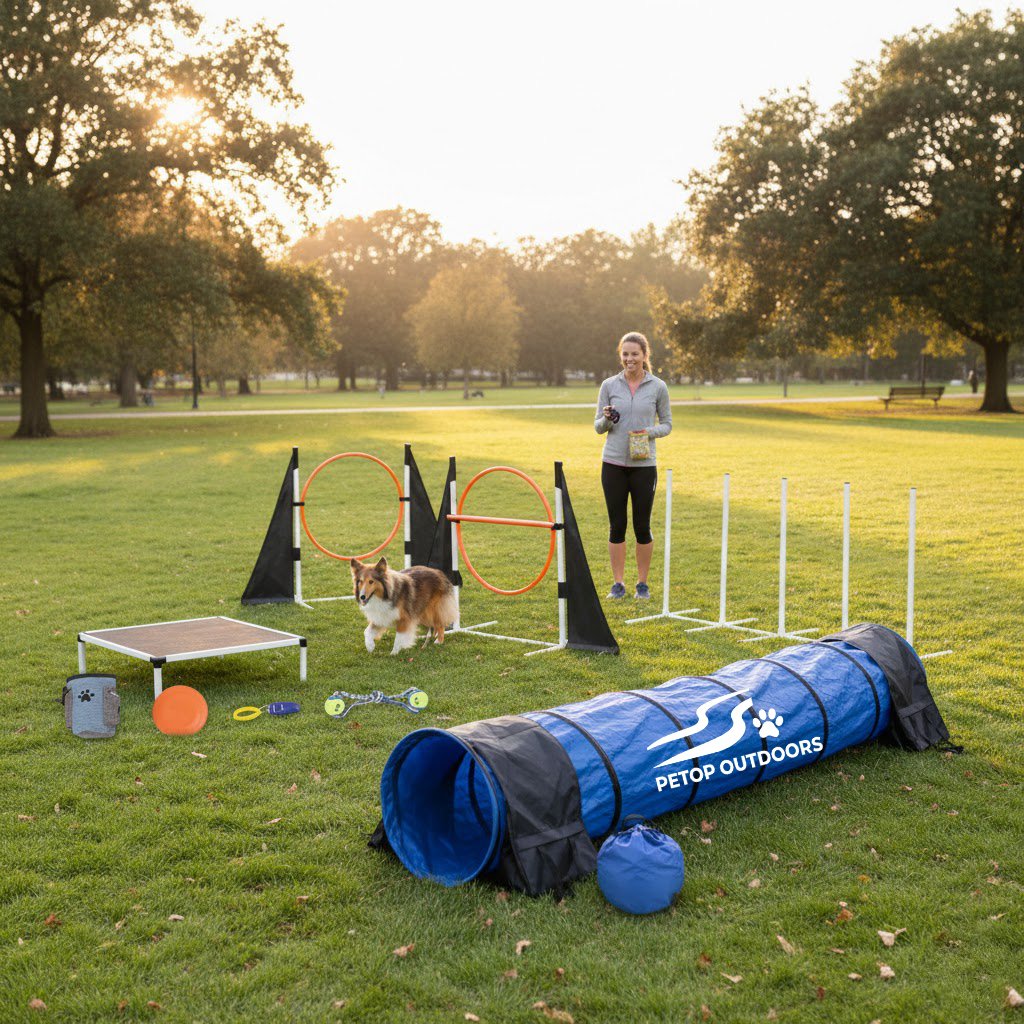
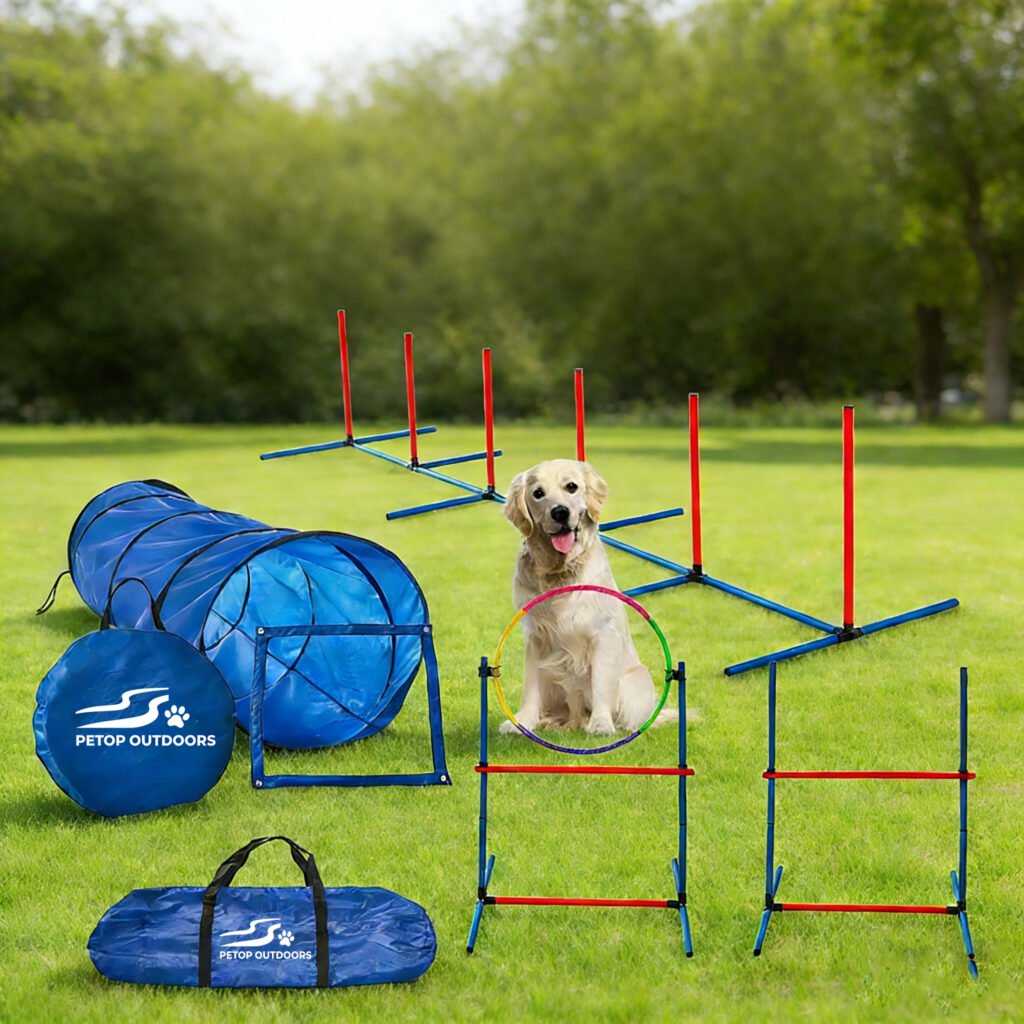
Outdoor agility training is a structured physical and cognitive activity where dogs navigate obstacles such as:
- Hurdles and jumps
- Tunnels
- Weave poles
- Balance platforms
- Pause tables
Unlike casual exercise, agility training combines cardiovascular activity, coordination, problem-solving, and handler communication in a controlled outdoor environment.
Studies in canine sports medicine show that agility training engages both aerobic and anaerobic systems while stimulating the dog’s central nervous system.
1. Improves Cardiovascular Health and Muscle Strength
Scientific research in veterinary sports medicine confirms that agility training provides moderate-to-high intensity exercise, which:
- Strengthens heart and lung function
- Builds lean muscle mass
- Improves joint stability
- Enhances endurance
Compared to unstructured running, agility training promotes balanced muscle development and reduces the risk of repetitive stress injuries.
2. Enhances Cognitive Function and Problem-Solving Skills
Agility training requires dogs to:
- Process visual cues
- Respond to verbal commands
- Make split-second decisions
Neurological studies show that mentally stimulating activities slow cognitive decline and improve learning speed in dogs.
For high-energy breeds, mental exhaustion is often more effective than physical exhaustion alone.
3. Reduces Destructive Behavior and Anxiety
Behavioral science links excess energy with:
- Chewing
- Digging
- Excessive barking
- Separation anxiety
Agility training helps regulate cortisol levels (stress hormones) while increasing dopamine and serotonin—chemicals associated with calmness and satisfaction.
Dogs that receive structured agility training show significantly lower rates of anxiety-related behaviors.
4. Improves Coordination, Balance, and Injury Prevention
Outdoor agility obstacles improve:
- Proprioception (body awareness)
- Core strength
- Limb coordination
This is especially important for working and sporting breeds, where poor balance can lead to ligament injuries.
Well-designed agility equipment with non-slip surfaces and adjustable heights helps minimize injury risk while maximizing performance.
5. Strengthens Dog–Owner Communication and Obedience
Agility training is a team sport.
Dogs must learn to:
- Maintain eye contact
- Follow directional cues
- Respond quickly under distraction
Research in applied animal behavior shows that dogs involved in agility training demonstrate higher obedience reliability even outside training environments.
This benefit is particularly valuable for professional trainers and working-dog programs.
6. Supports Healthy Weight Management
Obesity is a growing issue among companion dogs—even in traditionally active breeds.
Agility training increases calorie burn while preserving muscle mass, making it more effective than passive exercise such as leash walking.
For manufacturers and trainers, agility programs are often recommended as part of long-term weight management protocols.
7. Encourages Natural Instinct Expression and Breed Fulfillment
High-energy breeds were developed for:
- Herding
- Tracking
- Guarding
- Retrieving
Agility training mimics these instinctive behaviors in a safe, controlled, and ethical way, preventing frustration caused by under-stimulation.
Breed-appropriate training leads to happier, more emotionally stable dogs.
Why Outdoor Training Matters More Than Indoor Training
Outdoor agility training provides:
- Environmental enrichment
- Natural terrain variation
- Real-world distractions
- Better sensory stimulation
Veterinary behaviorists emphasize that outdoor environments help dogs generalize learned behaviors more effectively than indoor settings alone.
Choosing Safe and Durable Agility Equipment
When selecting agility equipment, professionals recommend:
- Weather-resistant materials
- Stable, anti-slip bases
- Adjustable obstacle heights
- Modular designs for different training levels
As a source manufacturer, we design agility training equipment to meet the needs of trainers, retailers, and professional programs worldwide.
Conclusion
Outdoor agility training is one of the most scientifically supported solutions for managing high-energy dog breeds.
By combining physical conditioning, mental stimulation, and structured interaction, agility training promotes long-term health, behavioral balance, and performance.
Whether you are a professional trainer, brand owner, or distributor, investing in high-quality agility training systems means investing in canine well-being backed by science.
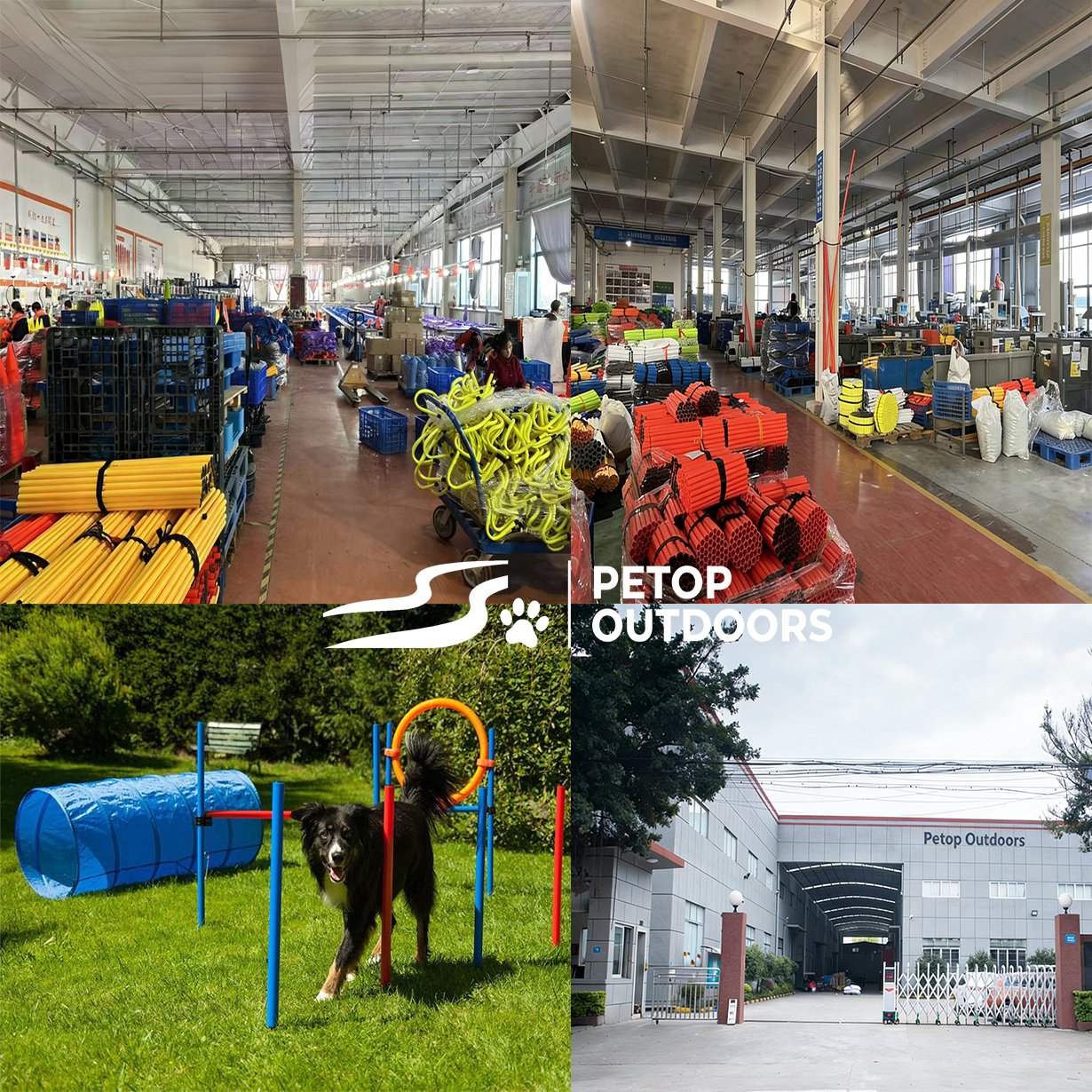
Looking for a Reliable OEM Manufacturer of Dog Agility Training Equipment?
As a source factory specializing in dog harnesses, outdoor elevated dog beds, and professional agility training systems, we support global partners with:
- OEM & ODM customization (materials, size, logo, packaging)
- Low MOQ for wholesale orders
- Stable production capacity & strict quality control
- Export-ready products compliant with international standards
Our agility training equipment is designed for professional trainers, pet brands, distributors, and e-commerce sellers who value durability, safety, and consistent supply.
If you’re planning to develop or expand your dog agility product line, we’d be happy to support you—from product development to mass production.
Contact us today to request samples, pricing, or a customized solution.
FAQ
Q1: How often should high-energy dogs do agility training?
Most veterinarians recommend 2–4 sessions per week, depending on age, breed, and fitness level.
Q2: Is agility training safe for puppies?
Yes, when using low-impact, age-appropriate equipment designed for developmental stages.
Q3: Can agility training replace daily walks?
Agility training complements daily walks but should not fully replace low-intensity exercise.
Q4: Which breeds benefit most from agility training?
Border Collies, Australian Shepherds, Belgian Malinois, Labradors, and other working or sporting breeds.